Rigging equipment is the backbone of safe lifting operations. Over time, even the toughest gear wears down, and the risks of ignoring those signs can be enormous. Knowing when to retire and replace your equipment is more than a compliance requirement—it’s about protecting people, property, and reputation.
Here are five critical signs it’s time to take equipment out of service, plus practical tips to keep your crews and lifts safe.
1. Visible Wear and Damage
What to look for:
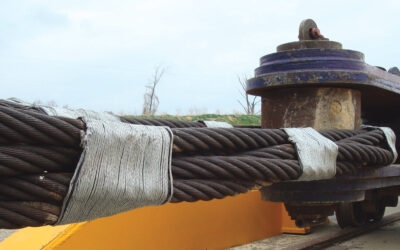
- Frayed wire rope strands
- Stretched or bent chain links
- Cracked hooks
- Worn shackle pins
Why it matters:
Small flaws can escalate into catastrophic failures under load. A single cracked hook or stretched chain can compromise the integrity of the entire lift.
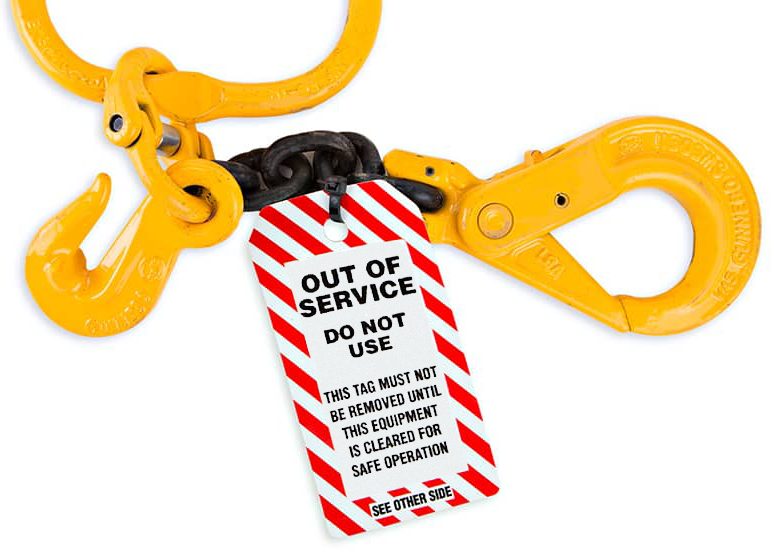 Action step: If you see damage, tag the equipment “Out of Service” immediately. Never attempt makeshift repairs—replacement is the only safe option.
2. Corrosion or Rust
What to look for:
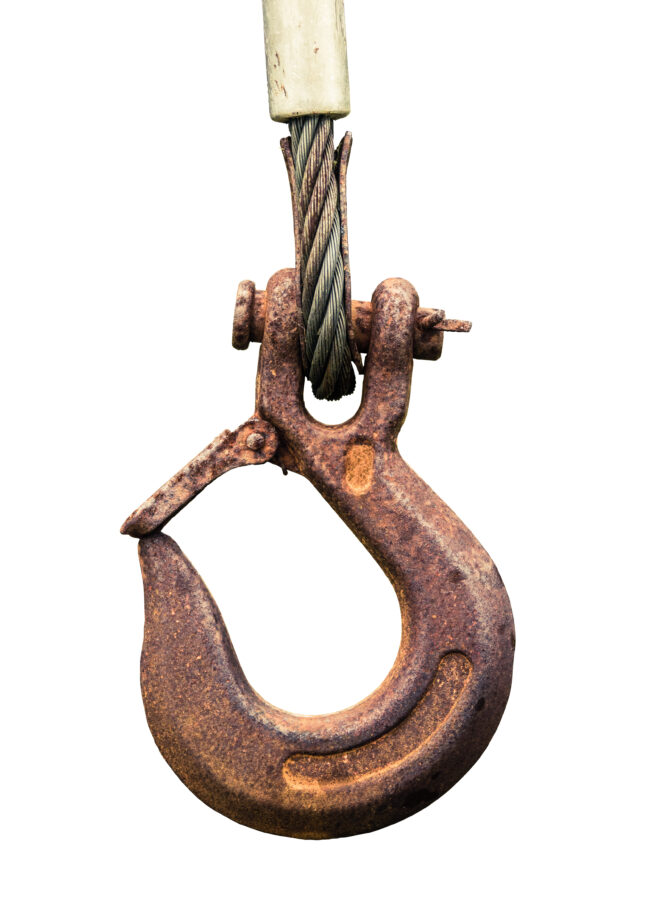
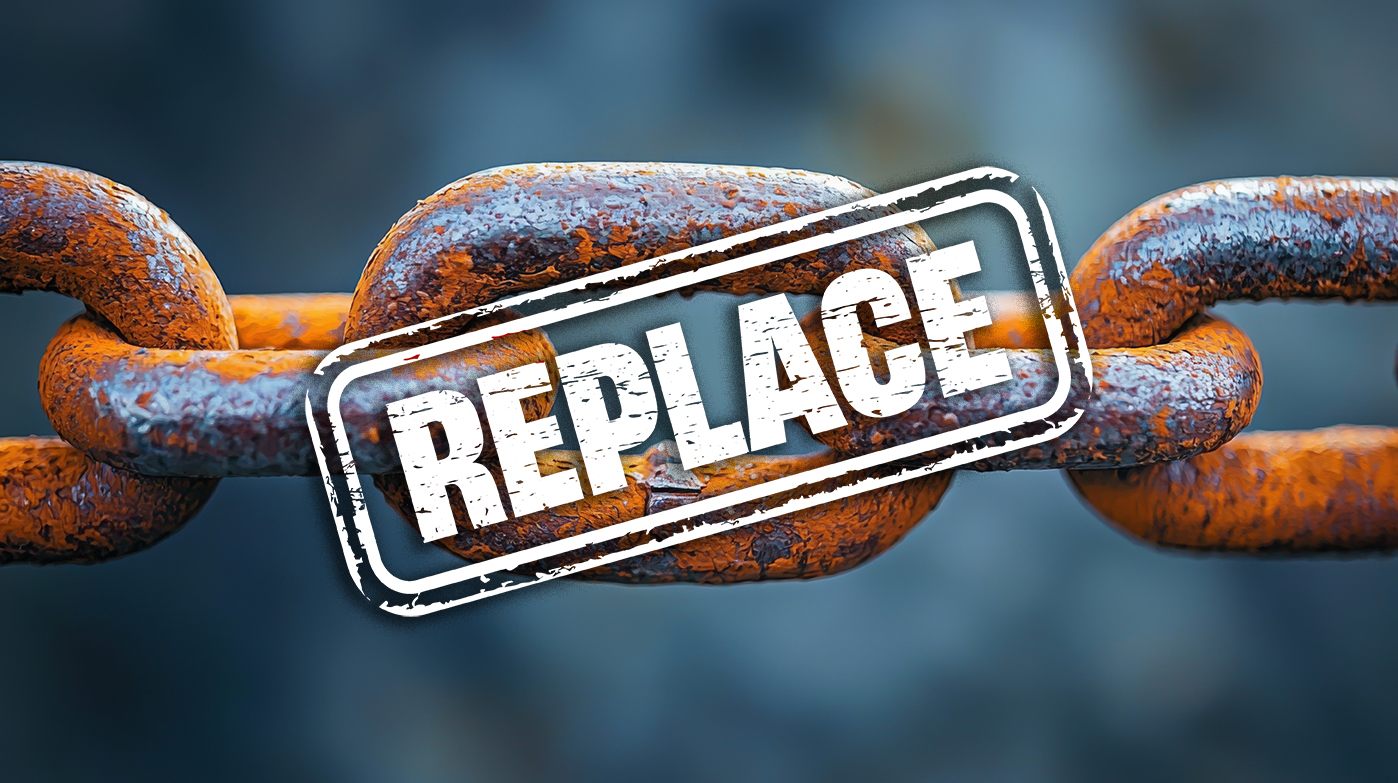
- Rust on hooks, chains, or pins
- Pitting along wire ropes or slings
- Discoloration or flaking metal
Why it matters: Corrosion weakens equipment from the inside out, often hiding dangerous loss of strength until it’s too late.
Action step: Regularly clean and properly store rigging gear to minimize corrosion. Replace any item showing visible rust, especially in high-moisture or saltwater environments.
3. Deformation and Stretching
What to look for: 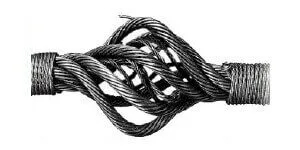
- Bent hooks or twisted shackles
- Elongated chain links
- Wire rope bird caging
- Slings losing their original form
Why it matters: Rigging gear is engineered to hold its shape under rated loads. Once it’s stretched or deformed, its working load limit (WLL) can no longer be trusted.
Action step: Train crews to recognize “out of shape” equipment and remove it immediately. Deformed gear cannot be repaired—retire it.
4. Illegible or Missing Identification Tags
What to look for: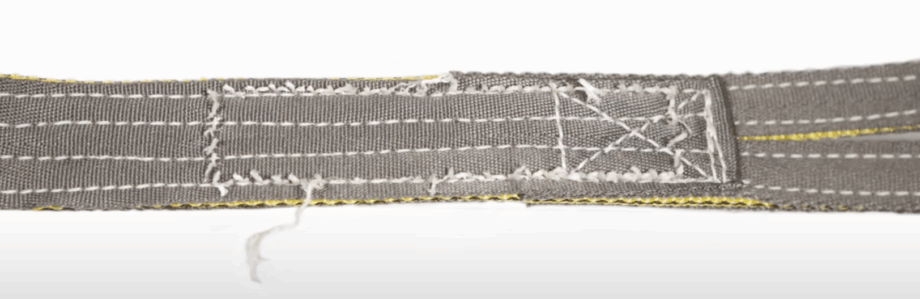
- Faded, missing, or unreadable tags on slings, chains, or hoists
Why it matters: Without a legible tag, you cannot confirm the equipment’s capacity, manufacturer, or compliance. Using gear without identification puts crews at risk and exposes your company to liability.
Action step: Make equipment tagging part of your inspection process. Replace items without clear identification—no exceptions
5. Failing Inspections
What to look for:
- Repeated issues during daily checks
- Failures in periodic or third-party inspections
Why it matters: OSHA and ASME standards require inspections at specific intervals. A failed inspection means the gear no longer meets safety requirements and must be removed from service.
Action step: Develop a clear inspection program (daily, monthly, and annual). Empower workers to stop using equipment that fails inspection—safety must always come first.
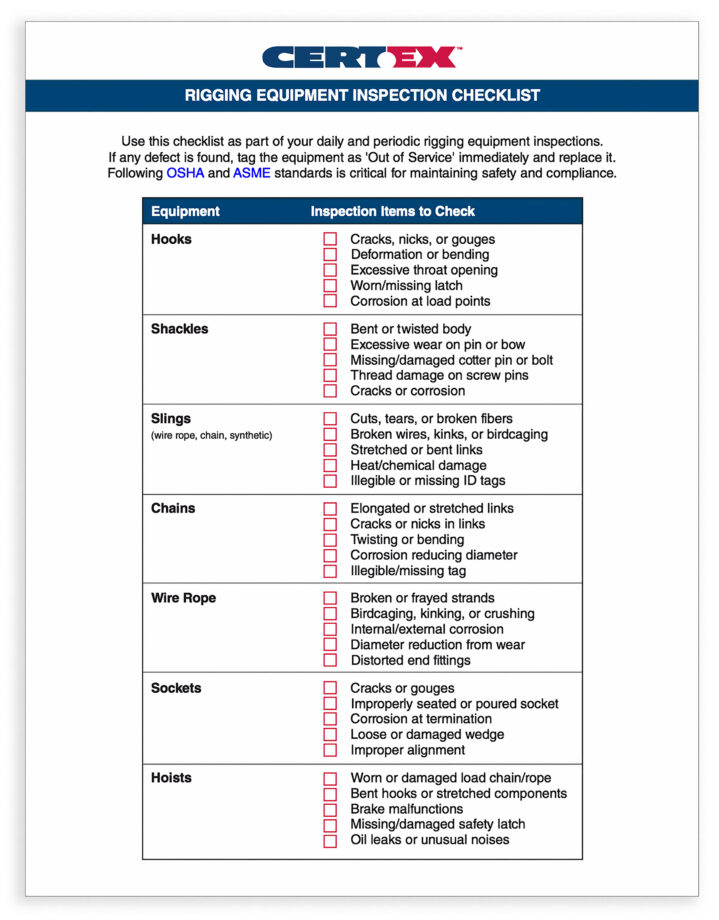
CERTEX Rigging Equipment Inspection Checklist
Use this checklist as part of your daily and periodic rigging equipment inspections. If any defect is found, tag the equipment as ‘Out of Service’ immediately and replace it. Following OSHA and ASME standards is critical for maintaining safety and compliance.
Investing in Safety Pays Off
Replacing rigging equipment may feel like an expense, but it’s truly an investment in safety, reliability, and peace of mind. Outdated or compromised gear doesn’t just put loads at risk—it puts lives at risk.
At CERTEX, our experts can help you identify when it’s time to replace equipment and guide you toward the right solution. Find a CERTEX location near you and connect with our team to keep your operations safe, efficient, and compliant.