In lifting and rigging, precision isn’t optional—it’s critical. Loads are heavy, environments are demanding, and the margin for error is slim. Yet one of the most common (and risky) habits on jobsites is settling for gear that’s “close enough.”
A shackle that almost fits. A sling that’s just within range. A setup that’s similar to what worked last time.
The problem? “Close enough” can quickly become not safe enough.
The Hidden Risk Behind “Close Enough”
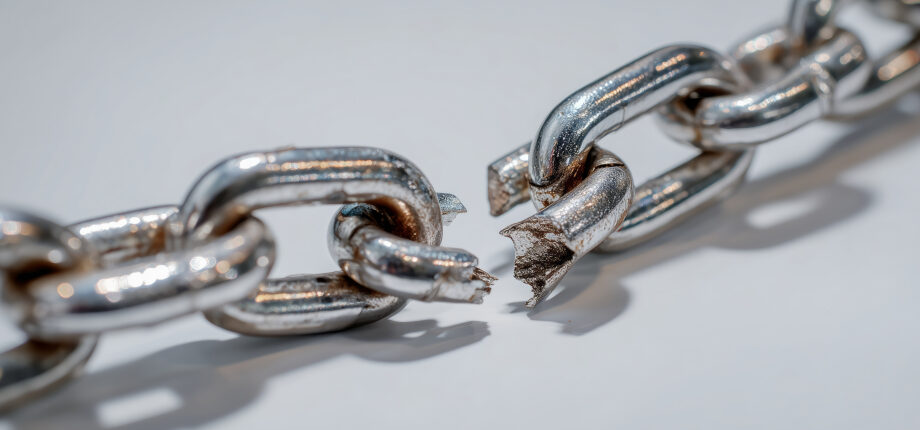
At first glance, minor substitutions or approximations may not seem like a big deal. But in rigging, every component is part of a system—and that system is only as strong as its weakest link.
Using gear that isn’t exactly right can lead to:
- Reduced load capacity due to improper angles or mismatched components
- Unexpected stress points that increase wear or cause failure
- Poor load control, leading to swinging, shifting, or instability
- Compatibility issues between hardware that weren’t designed to work together
These aren’t theoretical risks—they’re some of the most common contributors to lifting incidents.
Why Exact Fit Matters
Every piece of rigging equipment is engineered with specific limits and intended use cases. When you deviate from those specifications, you’re stepping outside of tested, predictable performance.
Here’s where precision matters most:
 Load Weight & Capacity
Rigging gear must be selected based on the actual load, not an estimate. Even small miscalculations can overload equipment—especially when dynamic forces come into play.
 Sling Angles
As sling angles decrease, tension increases dramatically. A setup that “looks fine” can quickly exceed safe working limits when angles aren’t properly accounted for.
 Hardware Compatibility
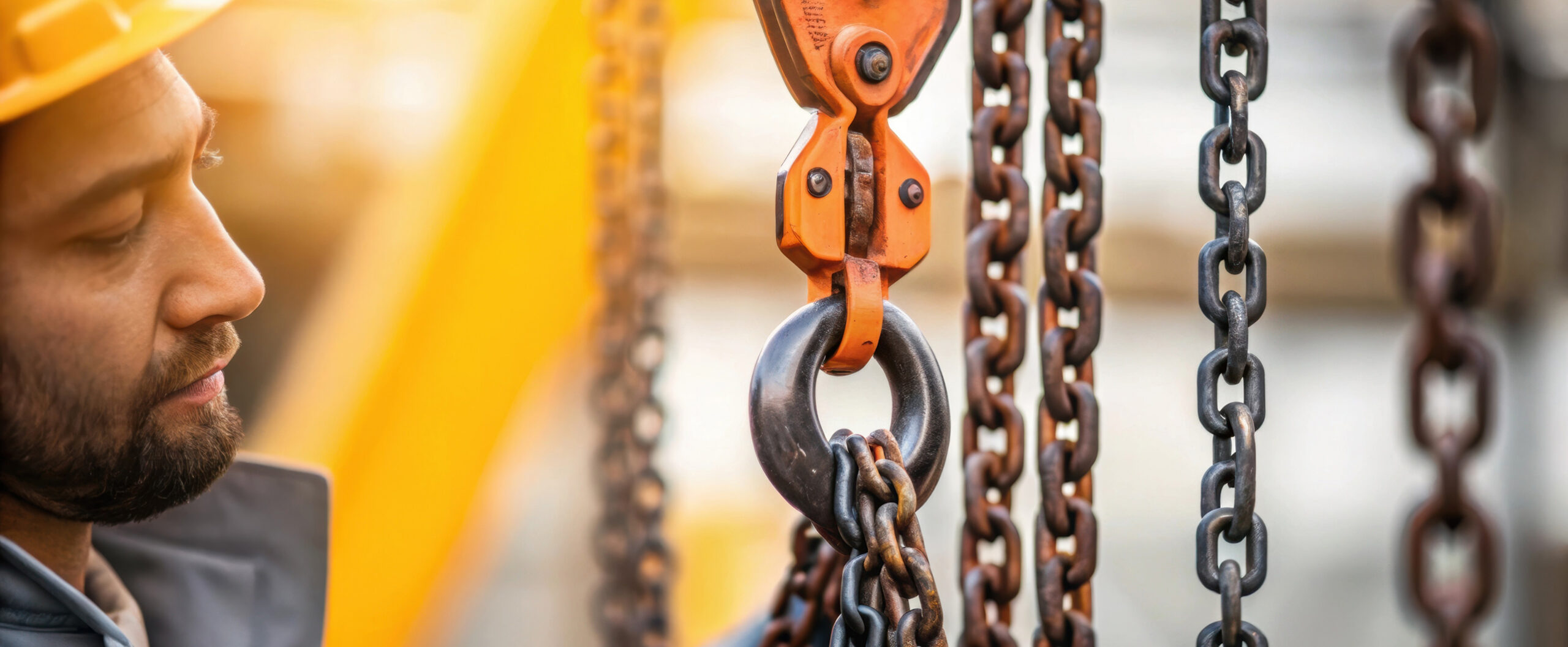
Not all shackles, hooks, and links are designed to work together. Improper pairing can create uneven loading or point stress that leads to failure.
 Environmental Conditions
Heat, chemicals, sharp edges, and weather all impact performance. Choosing gear without considering these factors can reduce strength and lifespan.
A Real-World Example
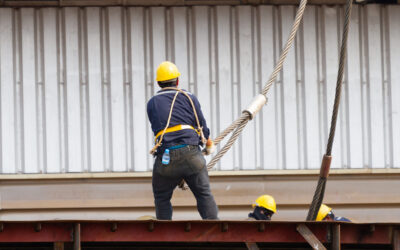
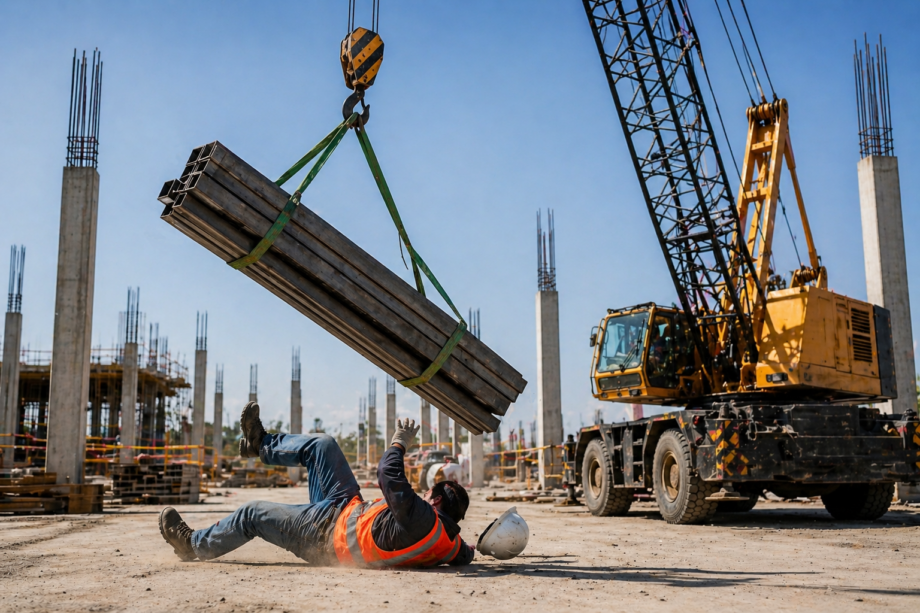
Imagine a crew lifting a steel beam using a sling that’s rated for the load—but only when used vertically. Instead, the setup requires a choker hitch at a shallow angle.
The result?
- The effective capacity of the sling drops
- Tension increases beyond safe limits
- The sling experiences excessive stress at contact points
Everything may appear stable—until it isn’t.
The Cost of Getting It Wrong
Cutting corners in rigging doesn’t just risk equipment damage—it puts people and operations at risk.
Potential consequences include:
- Injury or loss of life
- Project delays and downtime
- Damage to materials or structures
- Regulatory violations and fines
In high-stakes environments, even one misstep can have lasting impact.
The Value of the Right Partner
Choosing the right gear isn’t always straightforward. Loads vary. Conditions change. Requirements evolve.
That’s why working with a knowledgeable rigging partner matters.
An experienced partner can help you:
- Evaluate your lift plan and identify risks
- Select the correct gear for your specific application
- Ensure compliance with safety standards
- Provide training and support for your team
It’s not just about having the right products—it’s about having the right expertise behind them.
Moving Beyond “Close Enough”
Safe lifting isn’t about making do—it’s about making the right call every time.
Before your next lift, ask:
- Is this gear rated correctly for the load and configuration?
- Are all components compatible and in good condition?
- Have environmental and jobsite factors been considered?
- Would an expert review add confidence to this setup?
If there’s any doubt, it’s worth a second look.

Safety Is in the Details
In rigging, details matter. The difference between “close enough” and “exactly right” can be the difference between a smooth lift and a serious incident.
At CERTEX, we believe safety doesn’t have to be complicated—but it does have to be intentional.
Need help choosing the right rigging gear for your application?
Connect with your local CERTEX team to ensure every lift is planned, equipped, and executed with confidence.